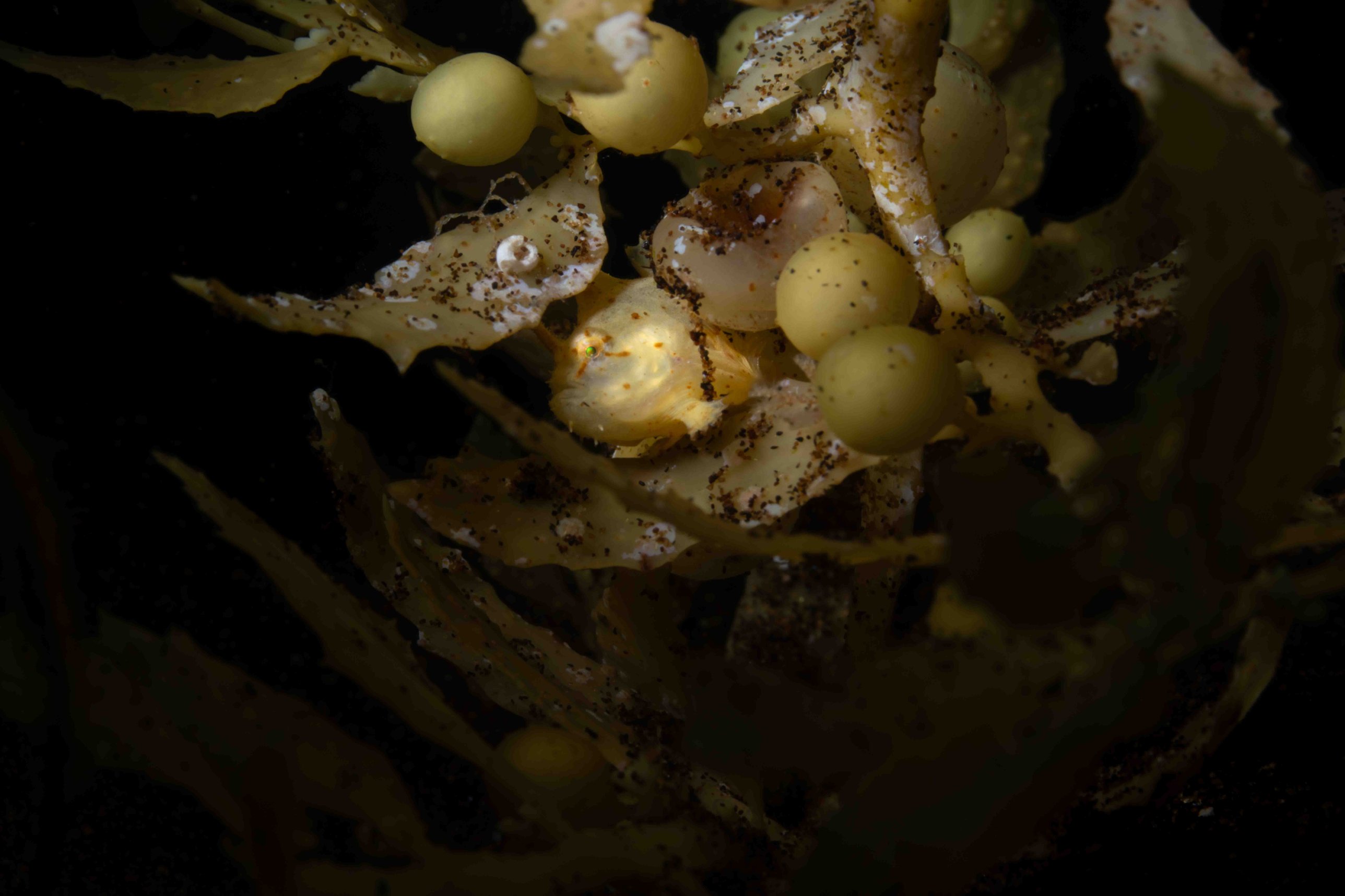
Matutolypea
03
In my “ocean of mind,” the mind is the ocean, and the ocean is the mind.
What I saw in the ocean was myself.
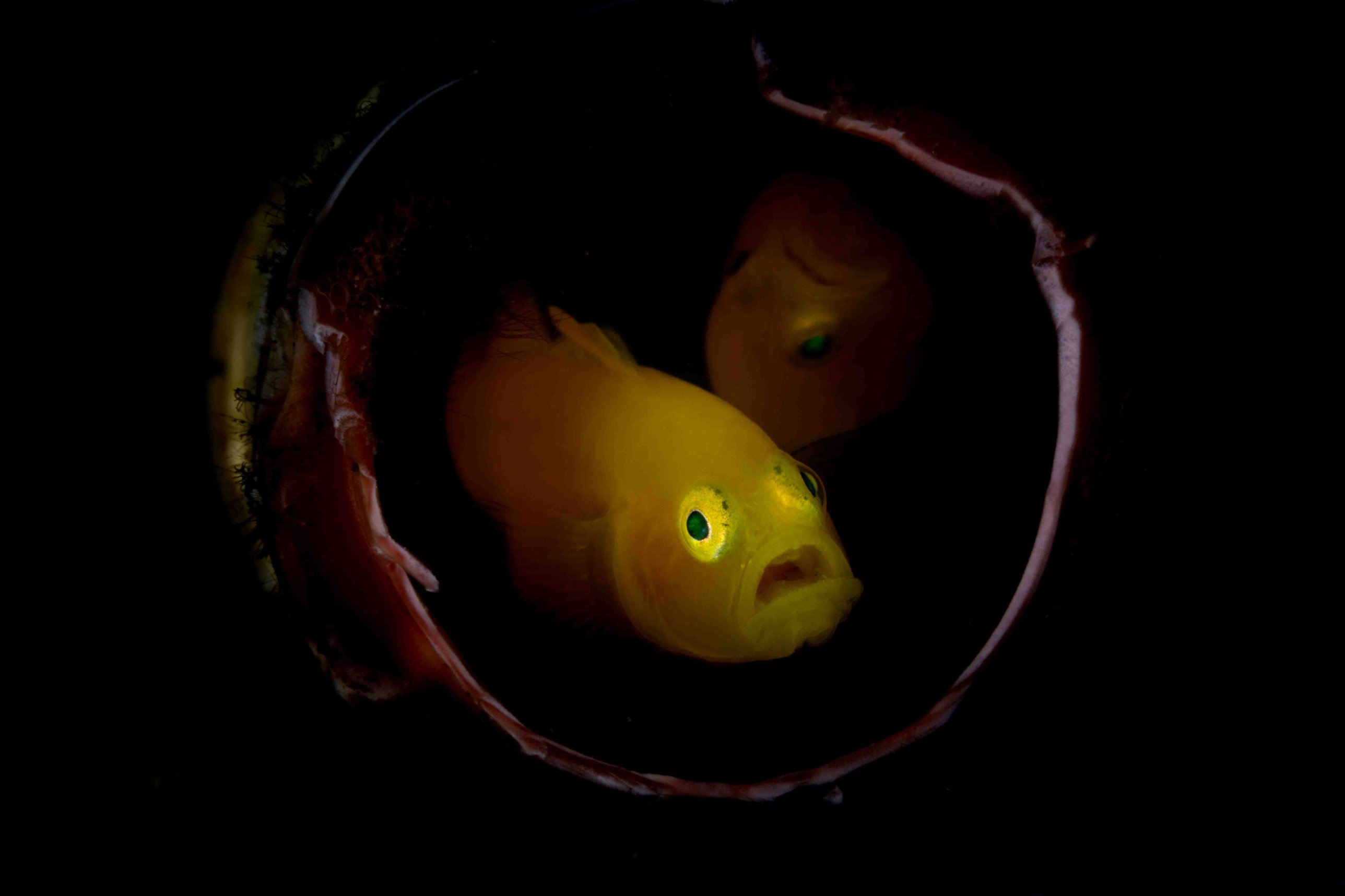
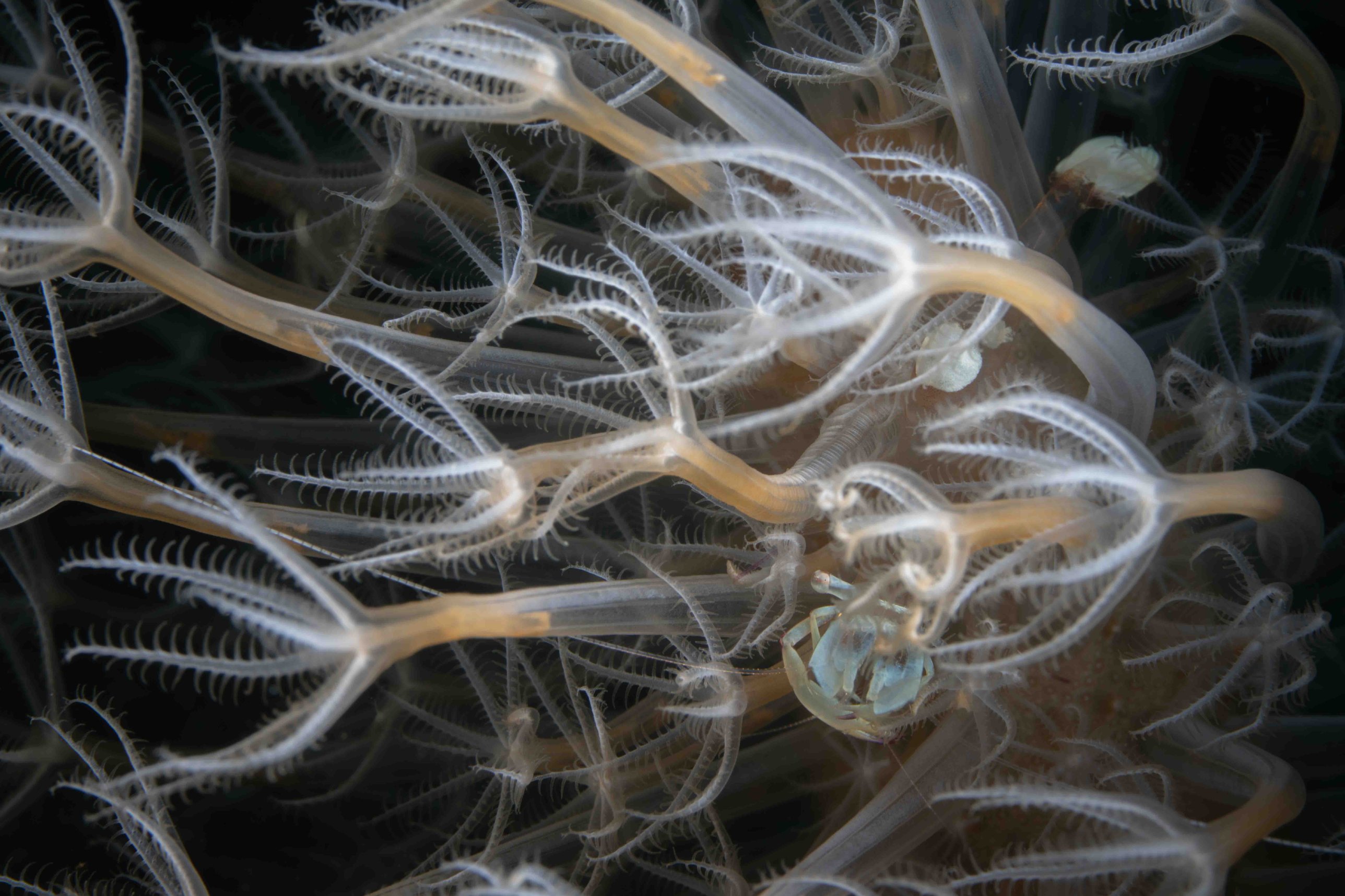
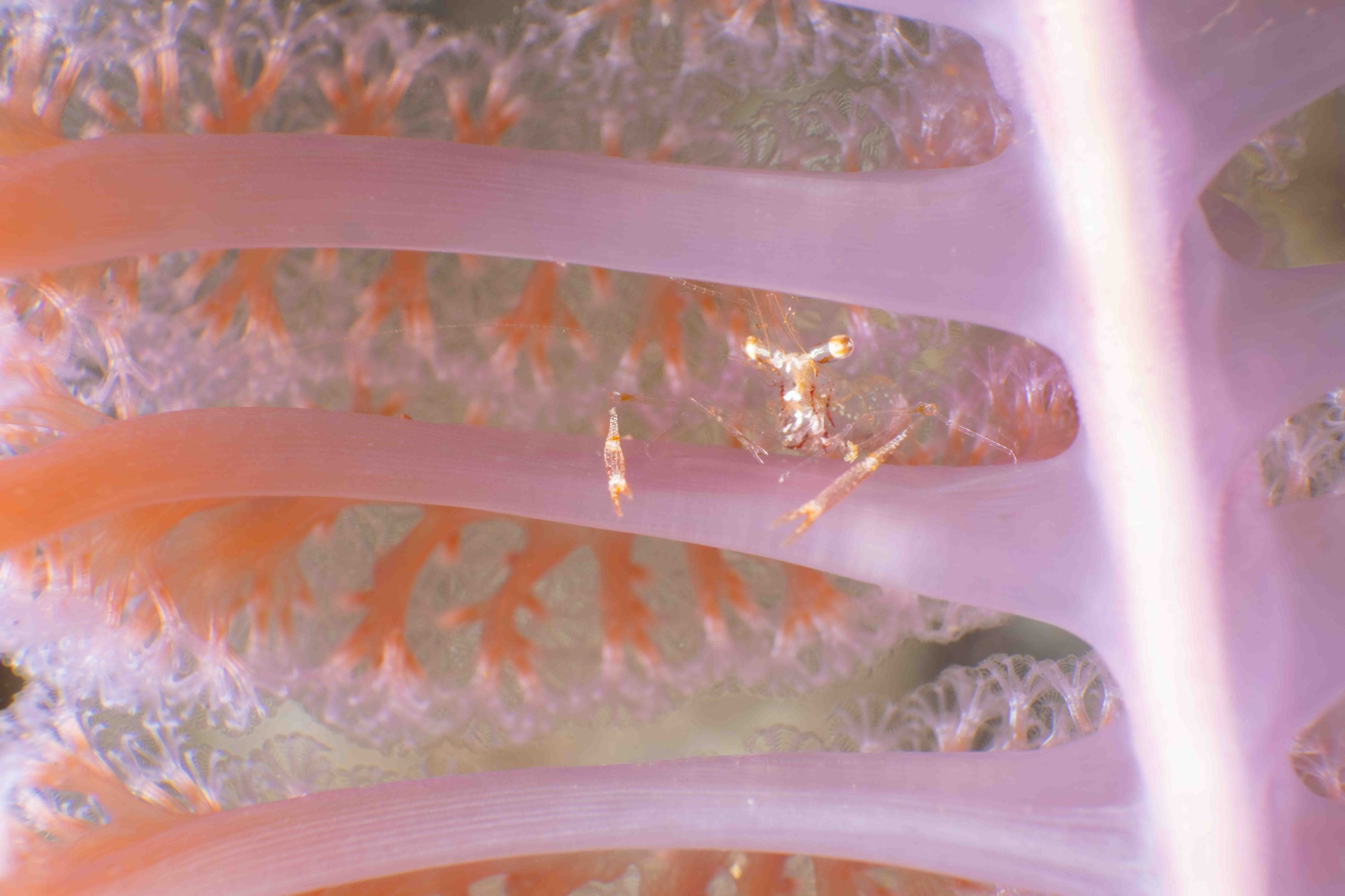
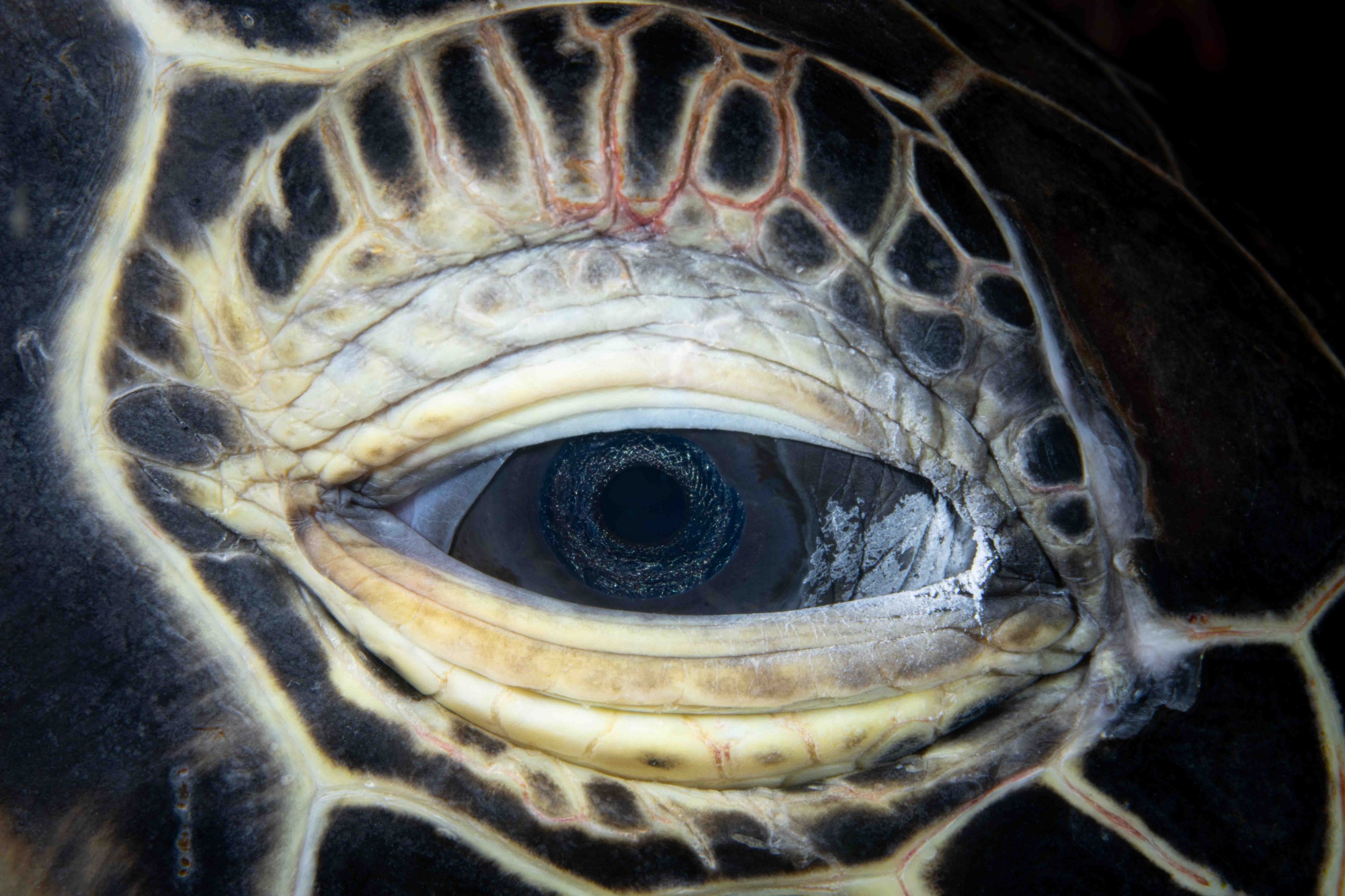
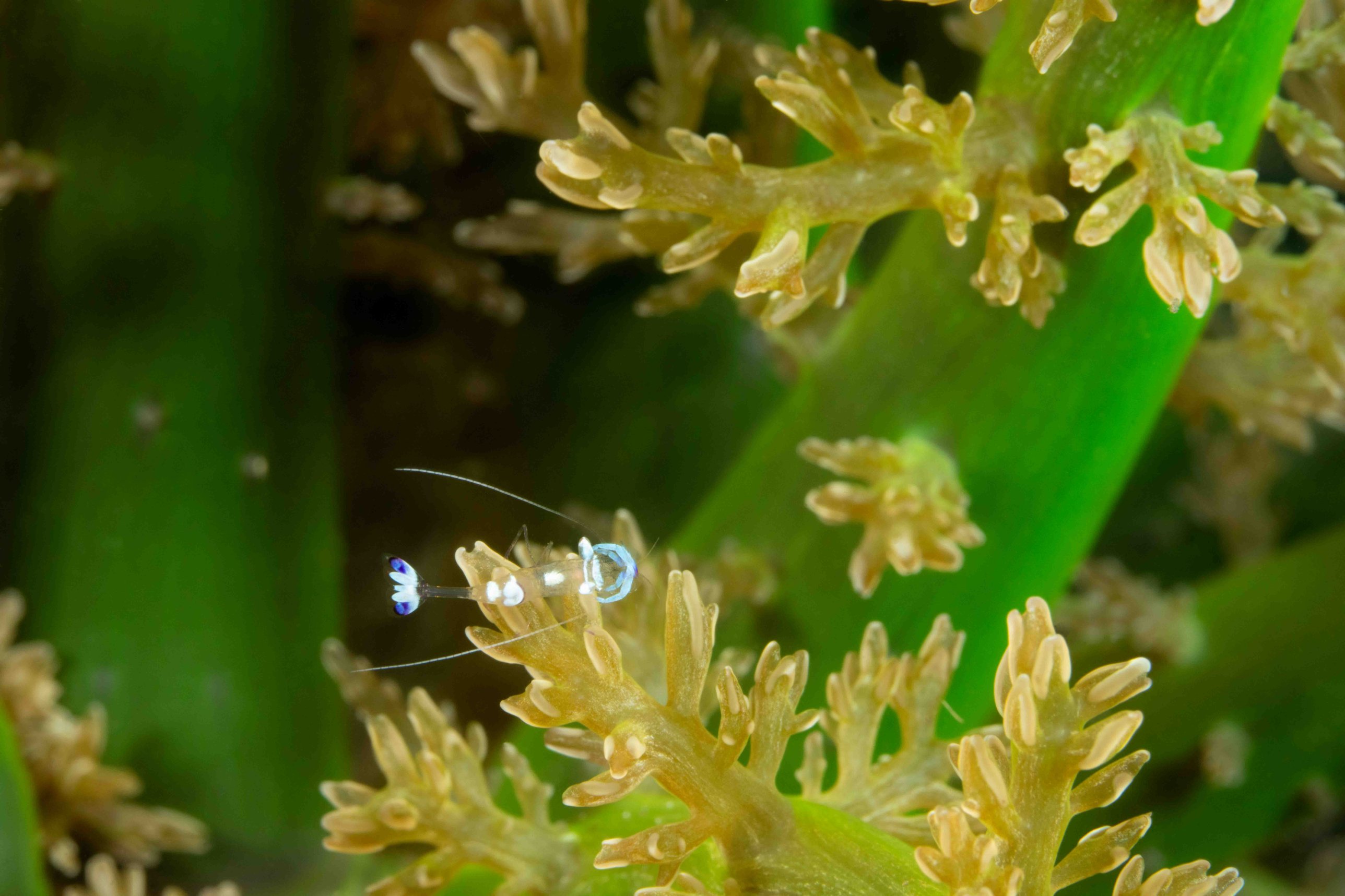
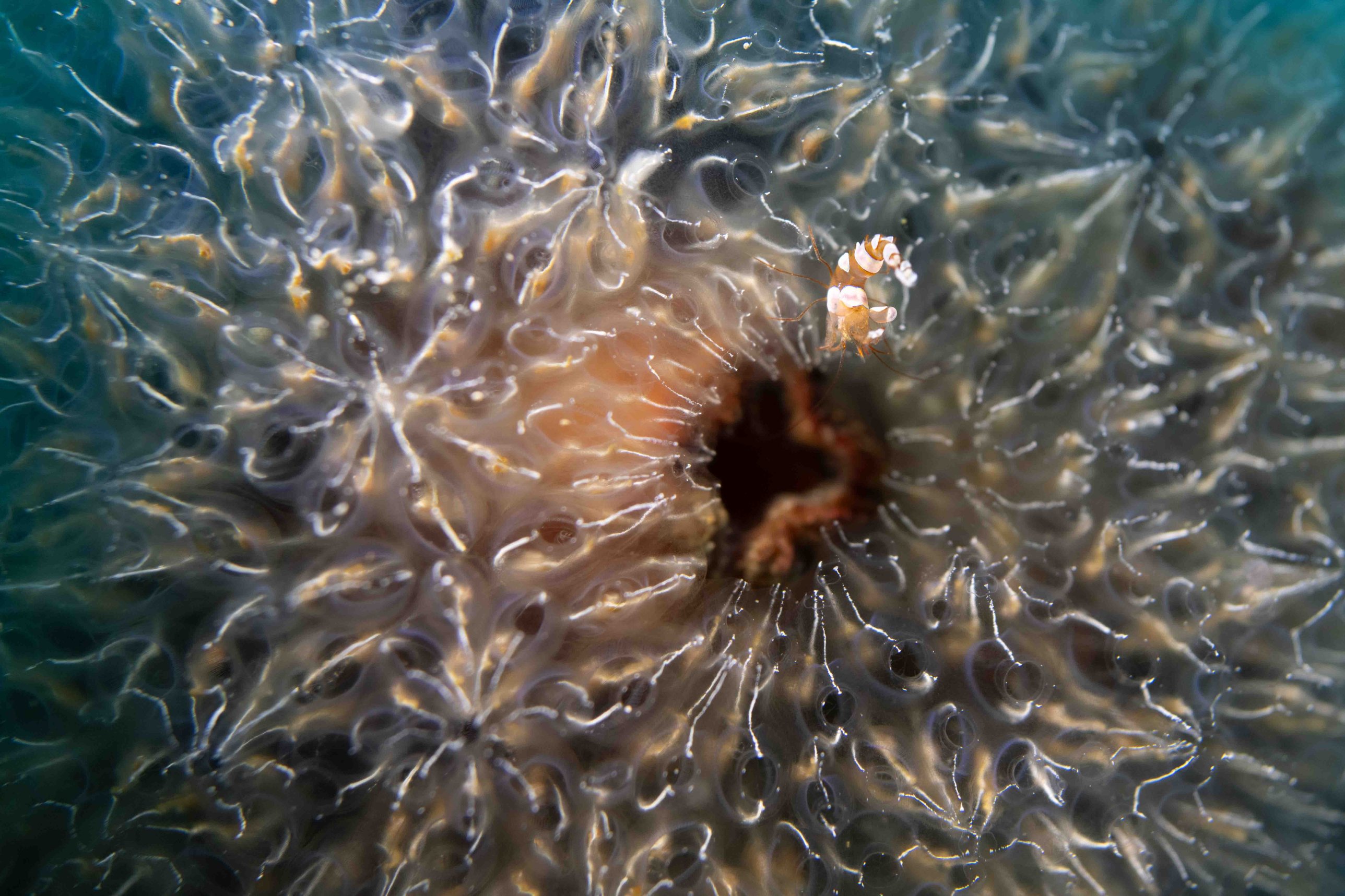
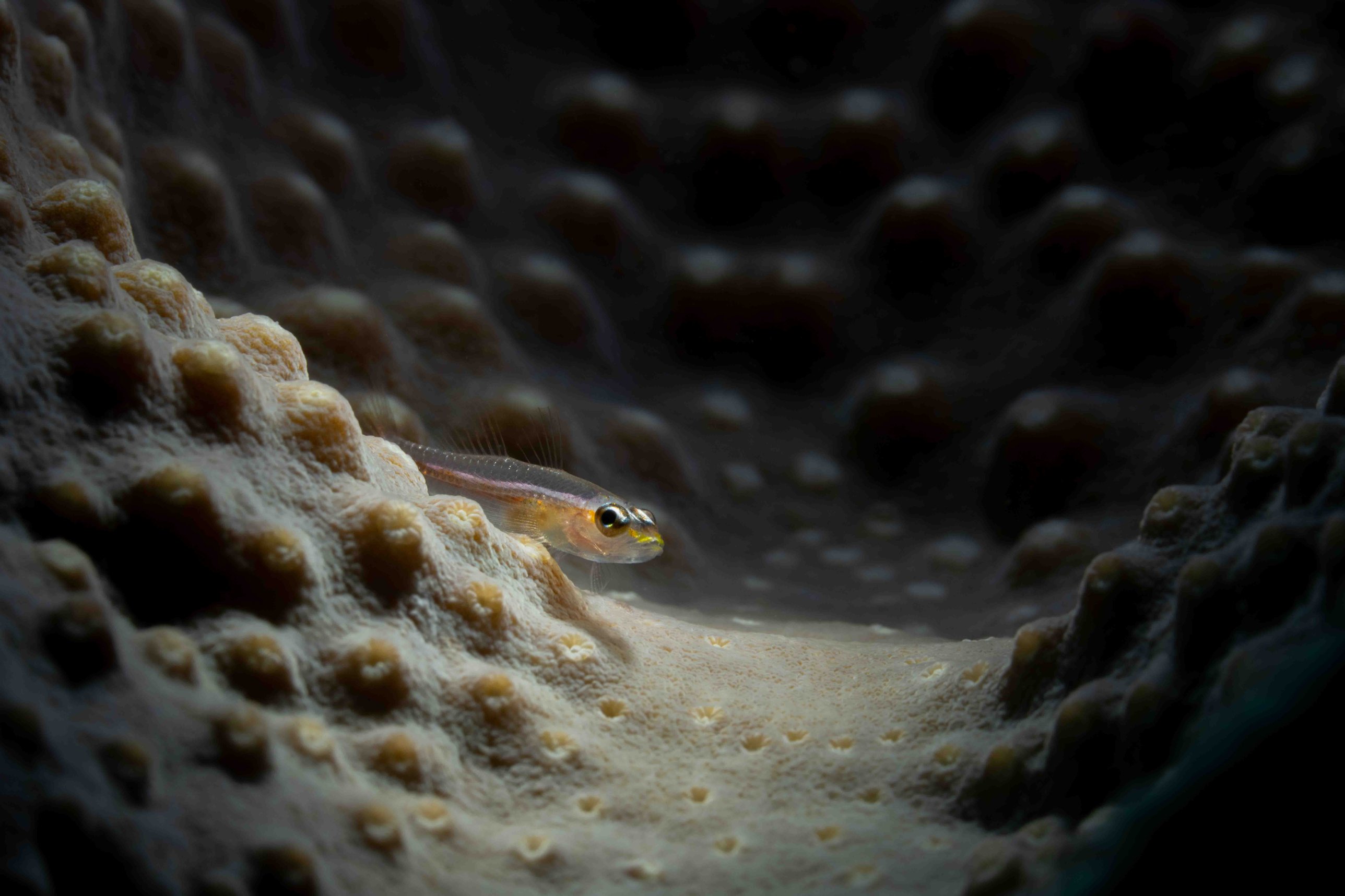
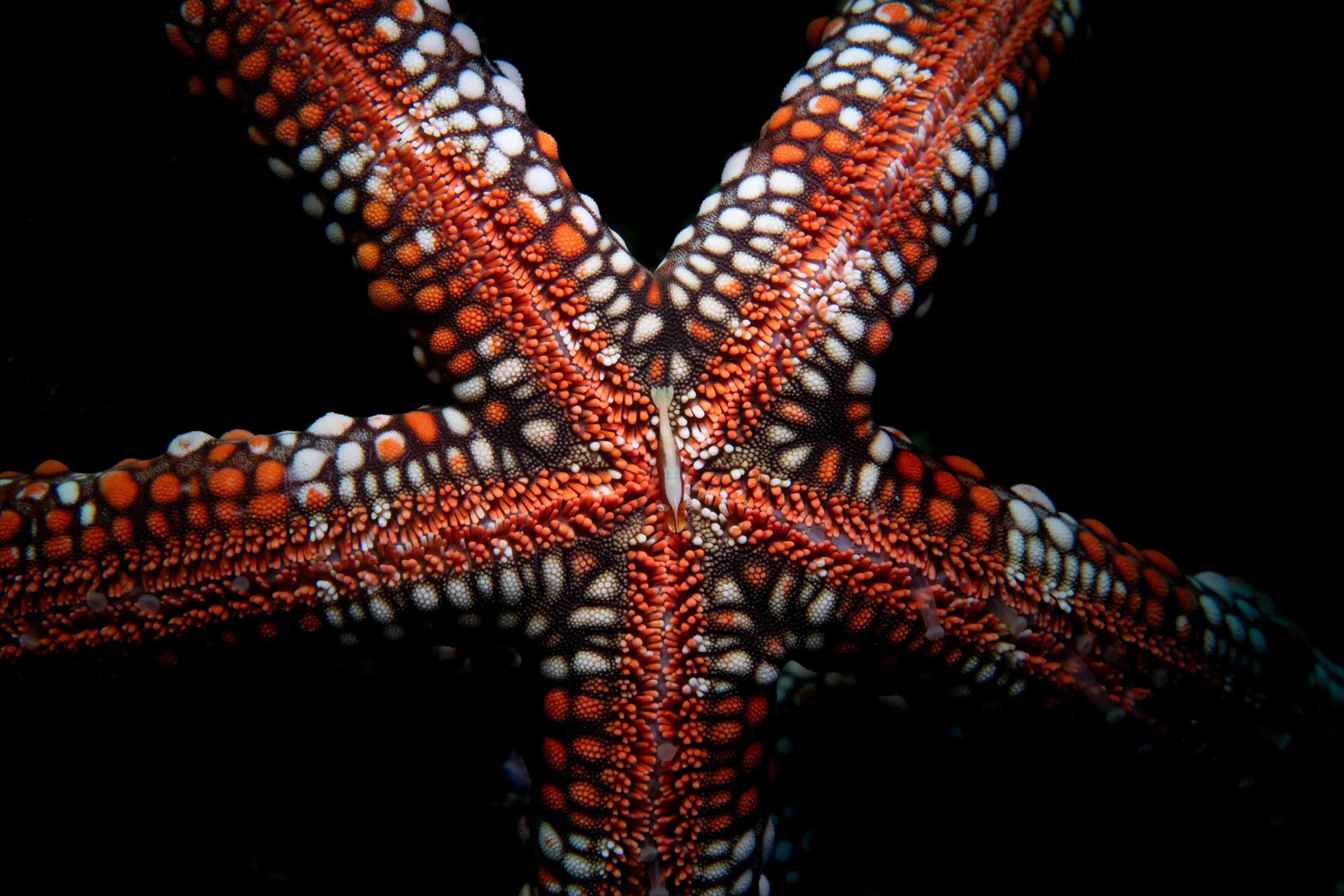
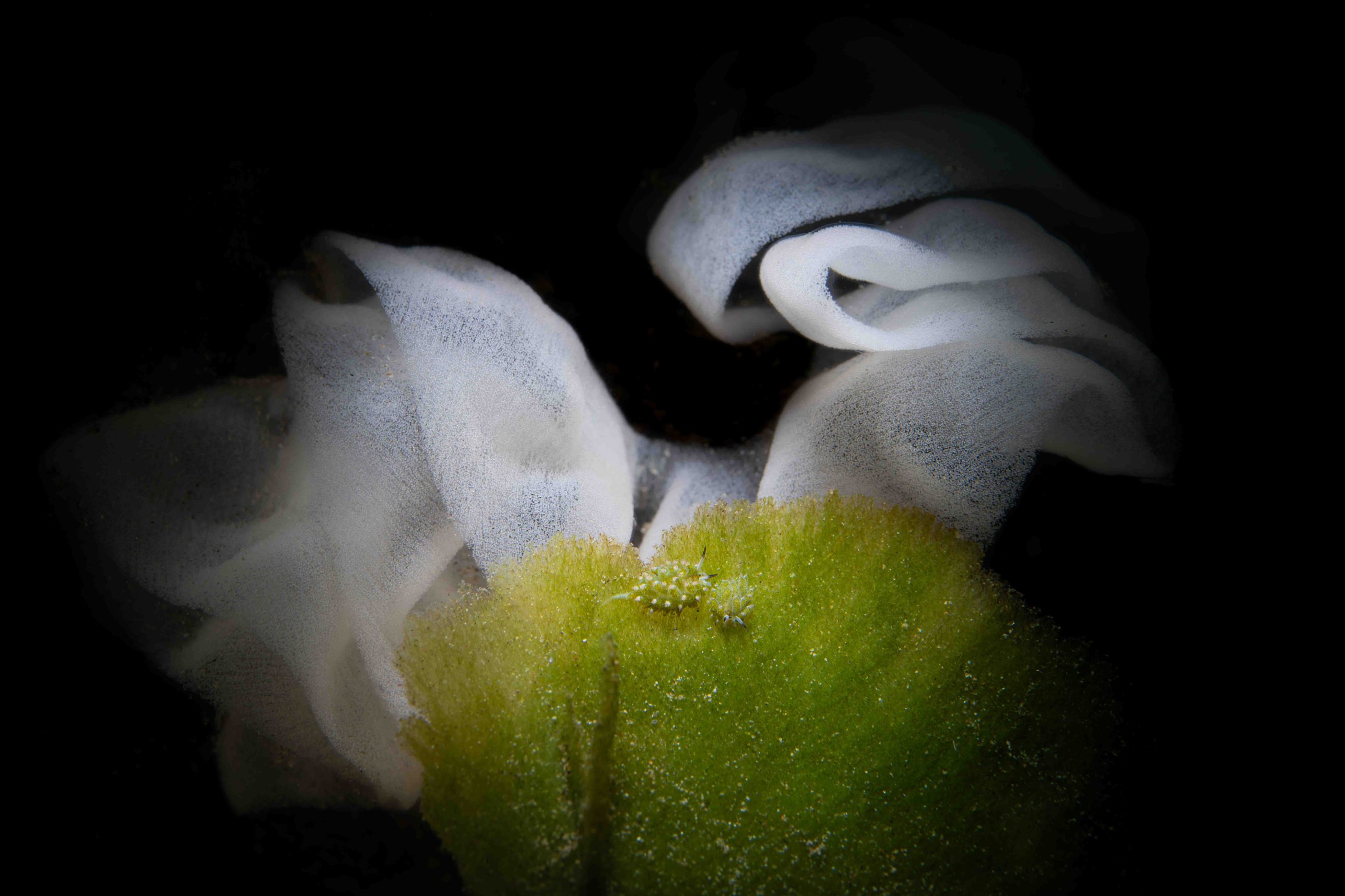
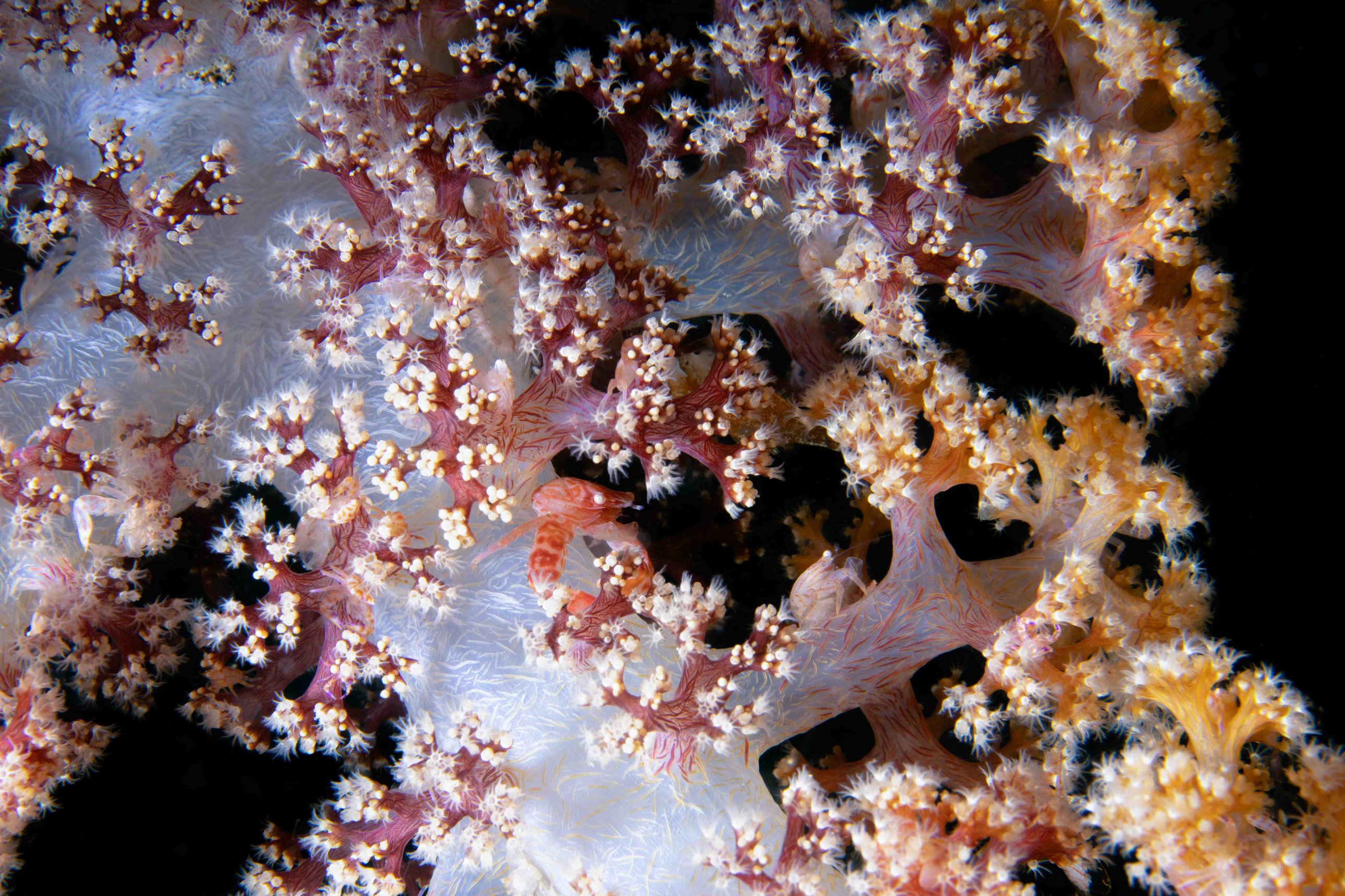
For a long time I was afraid of the sea. To someone with a fear of water, the sea was too vast, a place I could never come near. Imagining the dark of the deep made it hard to breathe, and the endless movement of the waves magnified my anxiety and fear. Then, at a certain point in my life, I set the fear down and took one step into the sea.
I do not know the sea. Ignorance tends to call up two opposite feelings at once: fear and curiosity. When nothing can be seen in the dark, even a small leaf brushing past your arm is frightening. Just as your heart drops when the cat comes up without a sound, everything under the sea was strange and frightening. People lit fires to drive back the dark, but imagining what lay beyond the dark was pure curiosity. Without the instinct to explore, we would still be sitting in the dark. That same curiosity is why I first put a camera under the water and began to record the traces of life.
Below a surface where sunlight shatters and glitters, the sea was not simply a place. Light and shadow crossed and danced, and each living thing breathed and moved in its own way. Under water, light wavered, and the deeper I went, the more colour and form turned to an unfamiliar grain. In that silent world, creatures let their feelings drift out without a word. In the turtle’s eye there was long waiting and distant longing; the seahorse floating alone held loneliness in silence. Jellyfish swayed like a dream, full of light, and tiny fry bumped against one another and became a crowd in solidarity. I pressed the shutter. The moments in the photographs were not simply records but traces of feeling.
Human relationships are always built, and torn down, through language. I do not understand the turtle’s language, and I cannot tell what a sea anemone feels. Not only the turtle and the anemone: I do not know you either. Until you say “I’m lonely!” I do not know your loneliness, and even when you lean on my shoulder and say it, I do not know how deep it goes, where it comes from, or whether someone’s warm hand could ease it.
Not only the turtle in the sea: I do not know you. Nor does that mean I know myself. I do not know myself either. When I want comfort, more often than not I am at a loss how to explain it to you. I do not know whether I may tell you. Sometimes I do not know what it is I want comfort for, or why I want comfort at all. Since I do not know my own feelings exactly, I cannot explain myself to you. That was when I understood that my mind and the sea were, to me, simply objects. In my “ocean of mind,” the mind is the ocean, and the ocean is the mind. What I saw in the ocean was myself: my own feelings, swimming inside me.
The sea gave me a way of asking questions. Facing question after question, the sea became in the end a mirror for my mind. In the sea I met the feelings that drift along with what is inside me.
Emotions are the most basic element of our lives, yet at times they blur and vanish like vapour. We pass them by without clearly noticing them, or hide them without meaning to because we cannot find the right words. But emotions are the way we see the world, the force that makes a life rich and deep. Coming to understand and express them is a way of looking more deeply into ourselves, and a journey towards connection with others.
Photography, too, is a medium that holds emotion. A photograph does not simply reproduce reality; it calls up feeling and memory, and imprints feelings that cannot be seen. Just as an emotion that is never expressed disappears, a photograph can be consumed without meaning. But in the right context, emotion and photograph complete each other and resonate deeply with the viewer. Through photographs we can look at our emotions again, and bring back the traces of feelings we had forgotten. Under water, light trembles and colour shifts as if swimming; the subject is blurred, yet present with great intensity. Images made under the sea are not a field guide to creatures but a way of catching the grain of feeling held in one living moment.
Languages around the world hold words that capture, with great delicacy, feelings we easily pass by. The Japanese itai carries a depth of empathy that includes pain; the Portuguese saudade means an indescribable longing, a feeling of absence; the Indonesian jamu stands for the idea that the bitterness of feeling can be purified in life. Words for emotion like these bring into focus inner landscapes we had not noticed, and give shape to feelings that were hard to express.
The Ocean of Mind combines close-up underwater photographs with words for emotion to make a new context. Here the photograph goes beyond record to act as a metaphor and a catalyst for feeling, taking on layered meanings according to each viewer’s experience and reading. A photograph resonates more strongly when it meets language. Through The Ocean of Mind I explore the grain of feeling and of life, and set out on a journey to connect my emotions and those of others more richly. The sea is a mirror for inner feeling, and an underwater photograph is not simply a landscape but a frame in which emotion is expressed.
Names for emotions, borrowed from languages around the world.